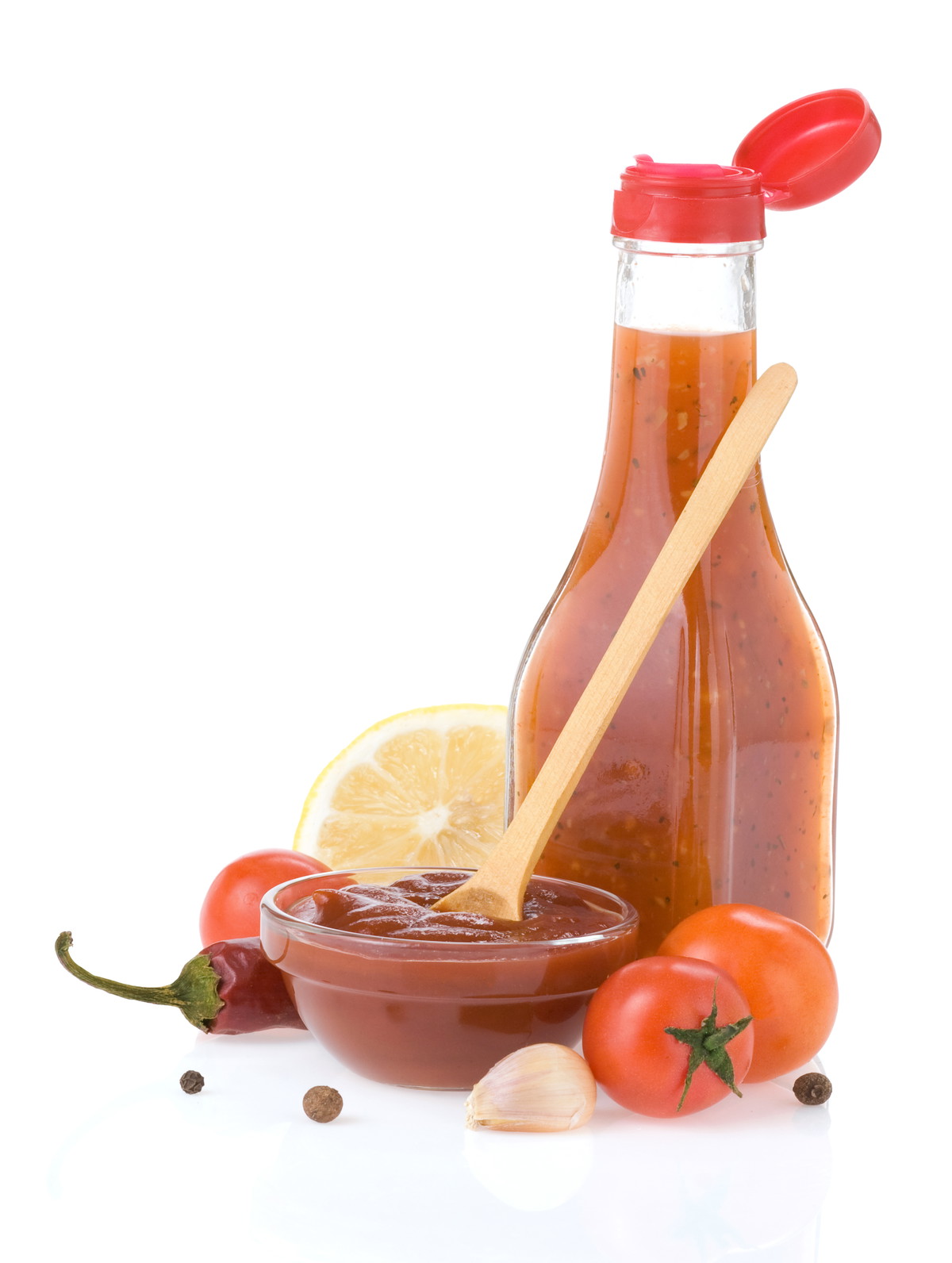
The Secret Ingredient Your Marinades Have Been Missing
(Hint: It's Hot Sauce)
Here's a thing that doesn't get said enough in Australian kitchens: most marinades are, frankly, boring.
Not because home cooks don't care. Not because the proteins are wrong or the timing is off. It's because there's a gap — a flavour gap — where something bright, punchy, and alive should be sitting. Something that brings heat *and* depth. Something that makes the whole dish wake up.
That something is hot sauce. And not just any bottle grabbed from the back of the fridge. The right hot sauce — used thoughtfully, in the right amounts, paired with the right ingredients — is one of the most powerful tools in your marinade arsenal.
Let's talk about how to find it, use it, and if you're feeling adventurous, make your own.
---
## Why Hot Sauce Works So Well in Marinades
Before we get to the good stuff, it's worth understanding *why* hot sauce and marinades are such a natural pair.
A marinade does three jobs: it flavours, it tenderises, and it adds moisture. Hot sauce, depending on its base, can assist with all three.
The acidity in vinegar-based hot sauces — think classic Louisiana-style — gently breaks down proteins, making meat more tender without turning it to mush. The capsaicin in chilli-forward sauces penetrates the surface of the protein, carrying other flavour compounds with it. And fermented hot sauces? They bring a savoury, almost umami-like quality that adds serious complexity to whatever you're marinating.
More than the science, though, hot sauce brings personality. A marinade built on soy, garlic, and ginger is lovely. Add a smoky chipotle hot sauce and suddenly it's *remarkable*.
---
## What to Look for in a Hot Sauce for Marinades
Not all hot sauces are created equal — especially when it comes to cooking. Here's what separates a great marinade sauce from one that's just good on eggs:
**Layered flavour, not just heat.** Heat is table stakes. What you want is complexity underneath it — fruit, smoke, herbs, fermented notes, or sweetness that rounds out the burn and integrates with your other marinade ingredients.
**A balanced acid profile.** Acidity is your friend in a marinade, but too much of it will over-tenderise and turn texture mushy. Look for hot sauces where the acid feels balanced rather than dominant.
**Real ingredients, not filler.** Short ingredient lists are a good sign. Whole chillies, fresh aromatics, quality vinegar. If the first three ingredients are water, salt, and "flavour," keep looking.
**Appropriate heat level for the dish.** A marinade benefits from warmth, but the goal is for the heat to integrate into the whole dish — not blow it out. For most marinades, a medium-hot sauce (around 1,000–10,000 Scoville units) hits the sweet spot.
---
## The Best Hot Sauce Pairings for Different Marinades
Great marinade-making is about knowing what flavours want to be together. Here's a cheat sheet:
**Chicken:** Bright, citrus-forward hot sauces work beautifully here — especially habanero-mango styles or fermented green chilli varieties. The sweetness of the fruit lifts the lean flavour of the meat, while the heat keeps things interesting.
**Beef:** Beef can handle bigger, smokier sauces. Chipotle-based hot sauces, ancho chilli blends, or anything with a roasted depth pair brilliantly with soy-heavy marinades and bring a barbecue-adjacent richness.
**Pork:** Pork loves sweet heat. Pineapple chilli sauces, Korean gochujang-inspired blends, and anything with a hint of brown sugar or molasses create that caramelised, slightly sticky exterior when the pork hits the grill.
**Seafood:** Go light and go citrus. Chilli and lime sauces, mild fermented pepper blends, or fresh herb-and-chilli combinations are your friends here. The key is not overpowering the delicate flavour of the protein.
**Vegetables and tofu:** This is where funkier, fermented sauces really shine. A deeply savoury, umami-rich hot sauce can give vegetables and tofu a meatiness they'd otherwise lack, making them satisfying even to the most committed carnivore at the table.
## How to Make a Hot Sauce Built for Marinades
If you want complete control over the flavour profile — or you just enjoy making things from scratch — here's how to create a versatile hot sauce that's been specifically designed for marinades.
**To use as a marinade:**
Combine 3–4 tablespoons of this sauce with 2 tablespoons of olive oil, a squeeze of citrus, and your choice of aromatics (ginger, lemongrass, herbs). Marinate chicken or pork for 2–4 hours, seafood for 30–60 minutes, and beef for up to 12 hours.
## The Ratio Rule: How Much Hot Sauce in a Marinade
This is the question most recipes skip, and it's genuinely useful to know.
As a general guide, hot sauce should make up around 15–25% of your total marinade volume. So in a ½ cup marinade, that's about 2–3 tablespoons of hot sauce. Enough to be present and influential, but not so dominant that it becomes the only flavour note.
The exception is if you're using a particularly mild hot sauce purely for flavour rather than heat — in that case, you can go higher. And if you're using something genuinely fiery, scale back and let the other ingredients breathe.
## A Note on Small-Batch Sauces (and Why They're Worth It)
There's a big difference between a hot sauce made in a 200,000-litre industrial batch and one made in small quantities with real, carefully sourced ingredients.
At Petits Trésors, we make our sauces the way we believe condiments should be made — in small batches, with Australian produce where possible, and with flavour leading every decision. No fillers, no shortcuts, no "natural flavour" catch-alls. Just real ingredients, properly made.
When you're building a marinade, the quality of every ingredient matters more than it does when you're pouring sauce straight onto a finished dish. The flavours have time to meld, concentrate, and become something bigger than their individual parts. Starting with a sauce you'd be happy to eat straight off a spoon makes that result significantly better.
Our range includes options that were practically made for marinades — from bright, vinegar-forward chilli sauces that work beautifully with poultry, to smoky, complex blends that transform a beef short rib into something genuinely special. If you're not sure where to start, the **Petits Trésors Tasting Pack** is a low-commitment way to try the range and find your marinade match.
## Quick Tips Before You Fire Up the Grill
**Pat proteins dry before marinating.**
Moisture on the surface dilutes the marinade before it has a chance to penetrate. A quick pat with paper towel makes a meaningful difference.
**Don't marinate in metal bowls.**
The acidity in hot sauce reacts with some metals and can affect flavour. Glass, ceramic, or zip-lock bags are ideal.
**Reserve a little marinade for basting.**
Set aside a portion *before* it touches the raw meat and brush it on during cooking for extra flavour and a lacquered finish.
**Room temperature before cooking.**
Taking marinated meat out of the fridge 20–30 minutes before cooking means it cooks more evenly and stays juicier.
**Don't rush it.**
The minimum effective marinating time for most proteins is 30 minutes. Overnight is better for anything that can take it.
The best marinade you've ever made is probably one good bottle of hot sauce away. Whether you reach for something from the Petits Trésors range or spend a Saturday afternoon making your own, the principle is the same: flavour first, heat second, complexity always.
Now go make something worth photographing.
Browse the Petits Trésors range of small-batch Australian hot sauces — built for cooks who take their condiments as seriously as their cooking.